

Meeting report: Anglia Ruskin X Bart’s Ophthalmology 2025
Vinesh Mistry¹, Dr Karuna Katti²
¹Anglia Ruskin University, School of Medicine, Chelmsford, UK
²University of Lancaster, Lancaster Medical School, Lancaster, UK
Correspondence: Vinesh Mistry
University of Lancaster, Bailrigg, Lancaster LA1 4YW
Email: vm471@student.aru.ac.uk
Abstract
The Anglia Ruskin X Bart’s Ophthalmology Conference 2025 was a national, in-person, CPD point-approved educational event held on Saturday 11th January 2025 at the Anglia Ruskin School of Medicine, Chelmsford, UK. The conference attracted over 100 in-person attendees, including medical students from Anglia Ruskin, Bart’s, and multiple UK medical schools, as well as junior doctors and nurses from hospitals across Essex. Additional national and international engagement was achieved through live virtual streaming on MedAll. Aimed primarily at medical students and early-career doctors, the conference sought to enhance exposure to ophthalmology, address gaps in undergraduate teaching, and highlight future career pathways within the specialty. This was delivered through a diverse programme of expert-led lectures covering training pathways, advances in cataract surgery, nanotechnology in ophthalmology, oculoplastics, and ophthalmology in humanitarian settings. The afternoon programme focused on practical skill development through four rotational workshops. These included an immersive virtual reality session exploring deep orbital anatomy and surgical perspectives, a hands-on microsurgical simulation workshop using eye-loupes, a targeted Duke Elder examination preparation session, and a practical guide to planning and maximising ophthalmology electives, including overseas placements. The conference concluded with prizes and structured networking opportunities. Post-event feedback was overwhelmingly positive, with attendees describing the conference as highly motivating and transformative in shaping their perception of ophthalmology as a career. The event was organised and chaired by Anglia Ruskin medical student Vinesh Mistry, in collaboration with Anglia Ruskin Special Senses Society, Bart’s Ophthalmology Society, and Bart’s Médecins Sans Frontières society. Overall, the conference demonstrated an innovative, high-impact approach to undergraduate and early postgraduate ophthalmic education and serves as a model for successful specialty-focused academic events.
Introduction
A National, in-person, CPD-point approved event, "Anglia Ruskin X Bart's Ophthalmology Conference 2025" took place at the Anglia Ruskin School of Medicine on Saturday 11th January 2025. The event gained in-person attendance from over 100 people, featuring not only students from Anglia Ruskin and Bart's University, but also other medical schools nationally, including University of Leeds, University of East Anglia, King's College London, St George's University, Imperial College London, University of Birmingham, along with junior doctors and nurses from hospitals based in Essex. The event attracted even more attention online through virtual attendance via the streaming platform MedAll. Following the success of the conference, the event will be repeated in early 2026. The authors therefore aim to reflect on the initial meeting through the following meeting report.
Initial, pre-conference expectations were obtained as qualitative feedback, using pre-event distributed online forms. The most popular responses specified that attendees primary hopes were to improve general career insight, obtain advice on how to improve portfolio, and also perfect pragmatic ophthalmology skills through the advertised practical workshops. The conference was hence designed to target these exact requirements, with the objective to enhance perception of ophthalmology, an underrepresented specialty in UK Medical Training.
Talks
Targeted mainly at medical students and doctors, the conference aimed to enhance the academic exposure of ophthalmology, fill in the gaps in its teaching, as well as shine light on the future of the specialty. This was achieved through targeted lectures in the morning from experts across the country who shared their insight:
• Dr. Mussa Butt, an ST2 Ophthalmologist at Broomfield Hospital, Chelmsford, UK discussed "How to get into Ophthalmology".
• Dr. Nancy Khairat, an Ophthalmology Specialty Doctor at Broomfield Hospital, Chelmsford, UK presented "Shaping the future of Cataract Surgery".
• Prof. Barbara Pierscionek, Deputy Dean of Research and Innovation at Anglia Ruskin, Chelmsford, UK explored the role of "Nanotechnology in Ophthalmology".
• Mr. Nadeem Ahmed, a Senior Oculoplastics Fellow at Sandwell and West Birmingham Hospitals, Birmingham, UK highlighted the "Art of Oculoplastics".
• Dr. Mashael Ishaque and Dr. Rukiya Choudhury, FY1 doctors from Princess Alexandra Hospital, Harlow, UK; and former committee of the Bart’s University London “Médecins Sans Frontières (MSF) Society” closed the morning with insights into "Ophthalmology in Humanitarian Settings".
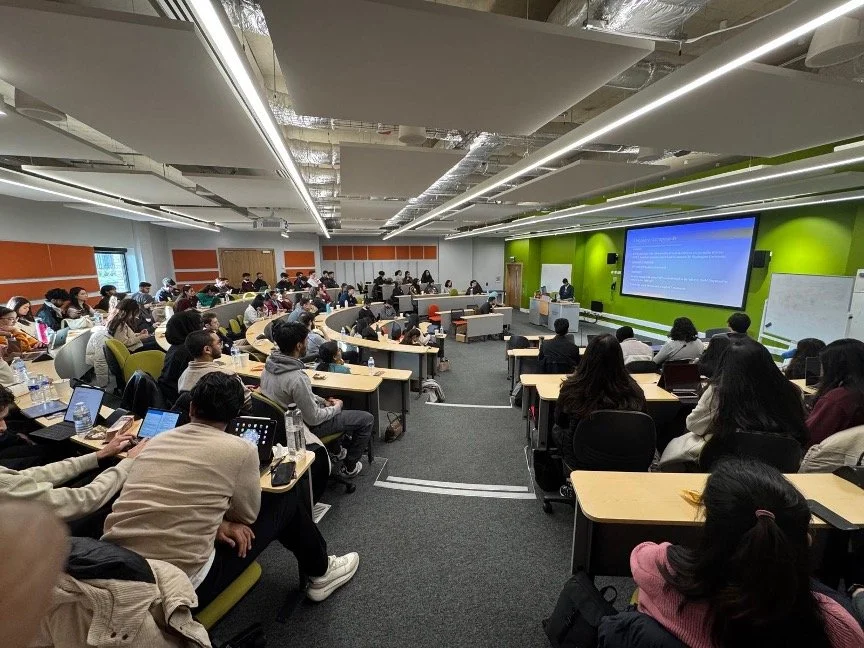
Figure 1. Picture taken during morning lectures of “Anglia Ruskin X Bart’s Ophthalmology 2025”.
Workshops
Virtual Reality
To enhance practical exposure, all attendees had the pleasure of involving themselves with four rotational workshops in the afternoon. The London & South-East VRIMS Team led an immersive "Virtual Reality in Ophthalmology" experience, using Virtual Reality (VR) headsets to teach the clinical relevance of "Deep Orbit Anatomy". This workshop was fortunate enough to have a personalized virtual explanation and background talk on "Retrobulbar Haemorrhages" from Oral and Maxillofacial Surgeon, Prof. Jag Dhanda, leading to students using the headsets to experience the surgeon's point-of-view of "Swinging Eyelid Flap" surgery.
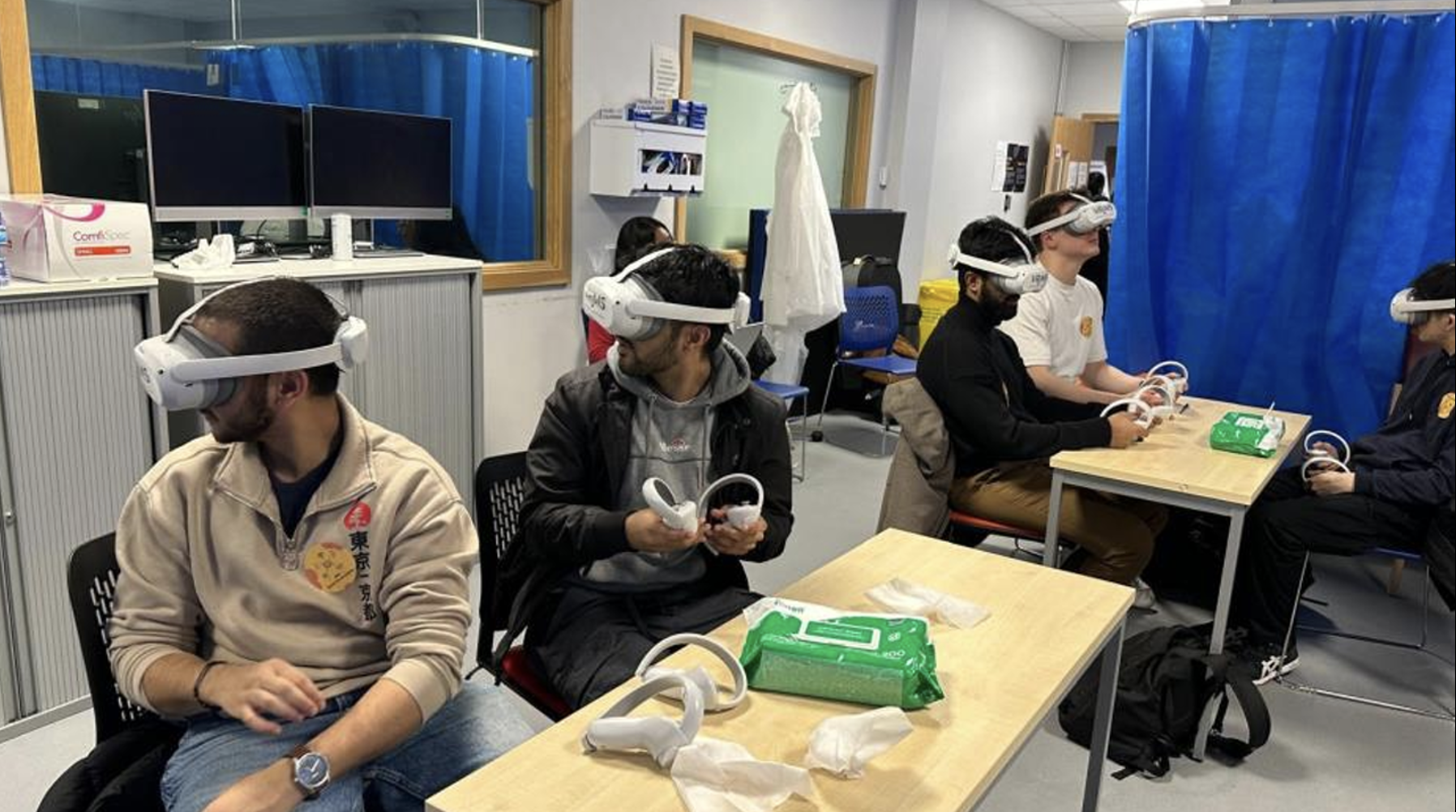
Figure 2. Picture taken during Virtual Reality experience of Swinging Eyelid Flap in “Anglia Ruskin X Bart’s Ophthalmology 2025”.
Microsurgery
The "Microsurgery in Ophthalmology" workshop was very highly anticipated by all in-person attendees and it did not disappoint. It provided the rare, hands-on opportunity to experience an Ophthalmological Surgical Simulation of suturing techniques performed in theatre, using microsurgery eye-loupes provided by "UK Loupes", as well as additional required microsurgery equipment. This workshop was led by Mr. Omar Warda, an Ocular Surgeon in Princess Alexandra Hospital in Harlow, and Anglia Ruskin 4th year medical student, Sydney Barnes.
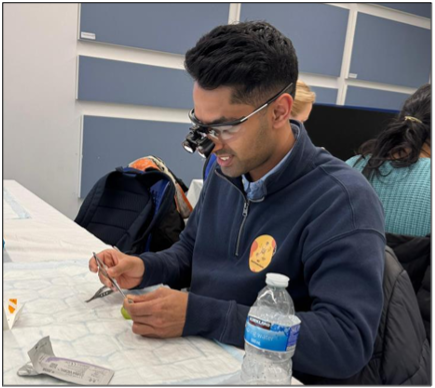
Figure 3. Picture taken during microsurgery suturing practice during “Anglia Ruskin X Bart’s Ophthalmology 2025”.
Duke-Elder
In addition, students and healthcare professionals were able to benefit from the "Duke Elder Exam" workshop, led by University of Birmingham 5th year medical student, Jaimy Sajit, who used her own personal experience and success with the exam to provide relevant and implementable advice on knowledge and exam technique, ensuring budding ophthalmologists can attain their maximum results with the Duke Elder exam, enhancing their likelihood of finding success with the ophthalmology specialty training pathway.
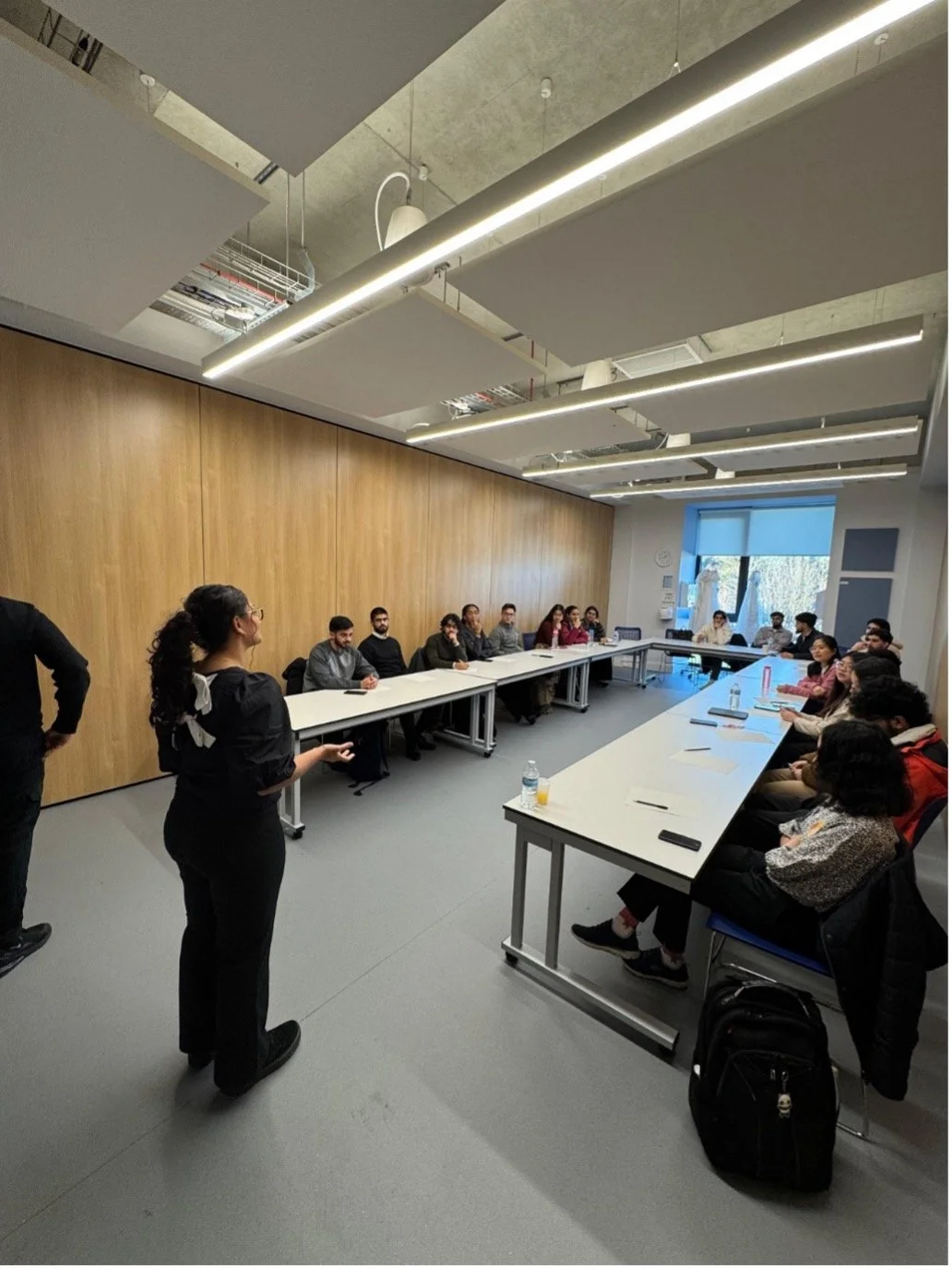
Figure 4. Picture taken during Duke Elder teaching during “Anglia Ruskin X Bart’s Ophthalmology 2025”.
Elective
The final workshop was held by 5th year Anglia Ruskin medical student, Aditya Nair, who focused on the specifics of how to organize and make the most of an "Elective in Ophthalmology". This included advice on: how to plan & research preferable overseas ophthalmology locations/hospitals; how to ensure eligibility for certain ophthalmology electives; how to meet elective deadlines; and different ways to maximizing elective funding. Due to the value of being practically involved with ophthalmology in a different country, electives in ophthalmology are renowned for being competitive for medical students. Therefore, Aditya ensured that students were informed on not only how to ensure success in application, but also knowledgeable on what to do whilst on the overseas placement to make the most of the experience.
The conference was concluded with conference prizes, wrap-up discussions, and networking opportunities for all attendees.
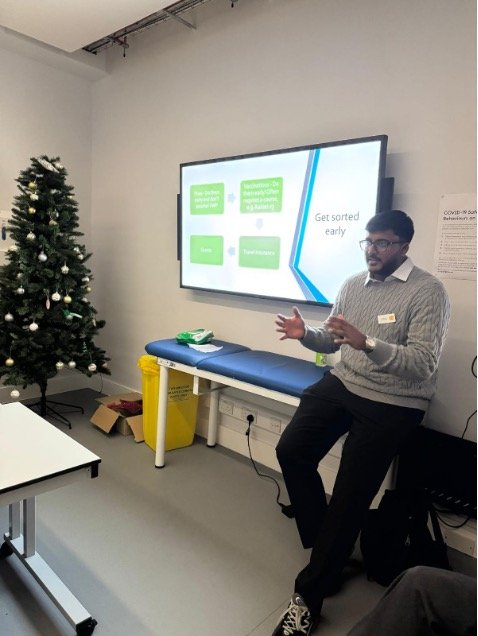
Figure 5. Picture taken during Ophthalmology Elective Introduction during “Anglia Ruskin X Bart’s Ophthalmology 2025”.
Discussion
This conference was organized and chaired by Anglia Ruskin 4th year medical student Vinesh Mistry, with help from his society "Anglia Ruskin Special Senses", as well as efforts from "Bart's Ophthalmology" and "Bart's Médecins Sans Frontières" Societies. Post-event qualitative feedback, obtained via online forms from attendees, was exceptionally enthusiastic, describing the event as "extremely eye opening" and commenting how it "genuinely changed my perspective on everything regarding ophthalmology and gave a new profound motivation".
Prior to the conference, overall thematic analysis of qualitative feedback proved that attendees wished to gain:
- Career insight & Confirmation (31%)
- Application Process & Portfolio (26%)
- Networking & Role Models (12%)
This aligns with the expectation that undergraduate medical students commonly seek guidance on whether ophthalmology is a suitable career choice for them and on the steps required to enter the specialty.
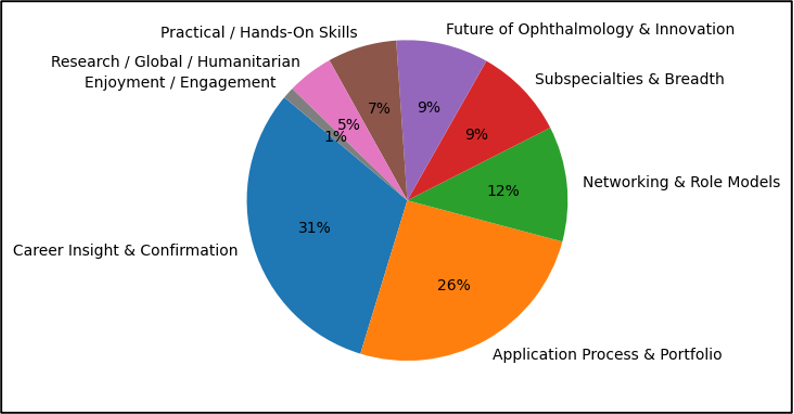
Figure 6. Pre-event thematic analysis
After the conference, thematic analysis of qualitative feedback proved that attendees gained/ appreciated:
- Practical/ Hands on skills (35%)
- Enjoyment, engagement & organisation (24%)
- Knowledge relevant to “Application Process & portfolio” (14%)
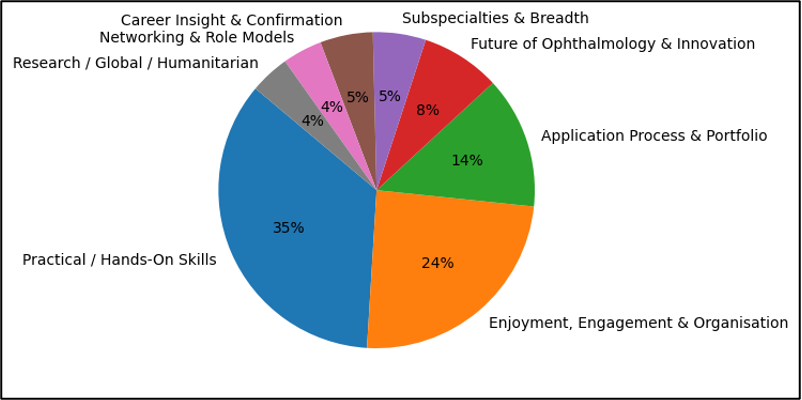
Figure 7. Post-event thematic analysis
Although the post-event themes do not directly align with the pre-event goals, qualitative feedback obtained specifically during the hands-on, Microsurgery workshop confirmed that the “informative”, “intricate” “practical aspect” of the session provided strong ocular-surgery insight and indirectly encouraged consideration of ophthalmology as a specialty. Post-workshop, 65/69 online form responses from those who attended this workshop (94%), confirmed that they were now interested in ocular surgery specifically as a career. Pragmatic ophthalmology is traditionally undertaught in UK medicals schools, so was heavily valued in this event.
To confirm the primary aim of attendees was fulfilled, Mann-Whitney U testing was employed to unambiguously assess if the event provided sufficient insight on ophthalmology as a career choice and on the steps required to enter the specialty. 90 pre-event and 74 post-event responses from attendees completed online forms to quantify their perception in relation to “How to enter the Ophthalmology”, using 5-point Likert scoring. This confirmed that the conference had a statistically significant positive impact on perception of this theme, with the mean Likert 5-point rating raising from 2.7 to 4.1 out 5, showing the extent of the event’s positive impact on the primary aim (P<0.0001). After the conference,
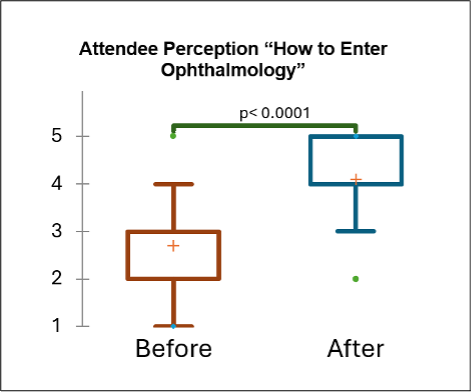
Figure 8. Attendee perception on how to enter Ophthalmology as a specialty before and after conference.
Constructive criticism of the conference specified that ensuring future events have sufficient time and equipment to run the practical components would be more suitable. This aligns with the greater concern medical students have with bridging the gap between undergraduate medicine and post-graduate surgical training pathways. As a result, further integration of pragmatic, surgical teaching should be emphasised in future developments of the UK medicine curriculum, as well as in upcoming co-curricular surgical events.
Overall, this event brought positive light towards Anglia Ruskin University and was enhanced perception of ophthalmology; it is clear from the reviews and photos that it was an innovative and inspiring day.
Disclosure
Ethics approval and informed consent
This meeting report describes an educational conference and does not involve interventional research on human participants or animals. No identifiable personal data were collected. Qualitative feedback was obtained voluntarily from attendees using anonymised post-event online feedback forms for service evaluation and educational improvement purposes only. In accordance with UK Health Research Authority guidance, formal institutional ethics committee or Institutional Review Board approval was not required.
Consent for publication
All images included in this manuscript were taken during the conference with the knowledge of attendees. No individuals are identifiable in the published figures. Where required, verbal and written consent for photography and use of images for educational and dissemination purposes was obtained at the event.
Competing interests
The author(s) report no conflicts of interest or financial interests in this work.
Authors’ contributions
1. Conception, design, execution, acquisition, analysis and interpretation of data
Conception of the meeting report and study design: Vinesh Mistry
Execution of the conference and acquisition of data (including feedback collection): Vinesh Mistry
Analysis of data: Vinesh Mistry
Interpretation of data: Vinesh Mistry; Dr Karuna Katti
2. Drafting and critical revision of the manuscript
Drafting of the initial manuscript: Vinesh Mistry
Critical revision for important intellectual content: Vinesh Mistry; Dr Karuna Katti
3. Journal selection and submission decision
Agreement on the journal to which the article was submitted: Vinesh Mistry; Dr Karuna Katti
4. Review and approval of manuscript versions
Review and approval of all versions of the manuscript prior to submission, during revision, and of the final accepted version: Vinesh Mistry; Dr Karuna Katti
5. Accountability
Agreement to be accountable for all aspects of the work and to ensure the accuracy and integrity of the content: Vinesh Mistry; Dr Karuna Katti
Acknowledgments
The authors would like to thank all speakers and workshop facilitators who contributed their time and expertise to the Anglia Ruskin X Bart’s Ophthalmology Conference 2025 and delivering high-quality educational content and practical teaching sessions.
The authors also acknowledge the support of the Anglia Ruskin Special Senses Society, Bart’s Ophthalmology Society, and Bart’s Médecins Sans Frontières Society for their assistance with conference planning, promotion, and on-the-day organisation. We additionally thank MedAll for hosting the live virtual stream and enabling wider national and international participation.
Finally, we extend our appreciation to all attendees who participated in the conference and provided valuable post-event feedback, which informed the evaluation and reporting of this educational initiative.