Using the Eyesi Cataract Simulator Before Ophthalmology Training: Is It Worth It?
As competition for ophthalmology specialty training continues to rise, prospective applicants are increasingly seeking ways to strengthen their portfolio and gain early exposure to surgical skills. Currently, use of the Eyesi cataract simulator contributes to the evidence folder for national ST1 recruitment, with one point awarded for completing at least four hours of simulation activity.
What is Eyesi?
The Eyesi is a “high-fidelity virtual reality simulator for intraocular surgery training” (1). It provides a structured platform for cataract surgery, progressing from basic skills to stepwise procedural training and even the management of complications, all within a safe, simulated environment.
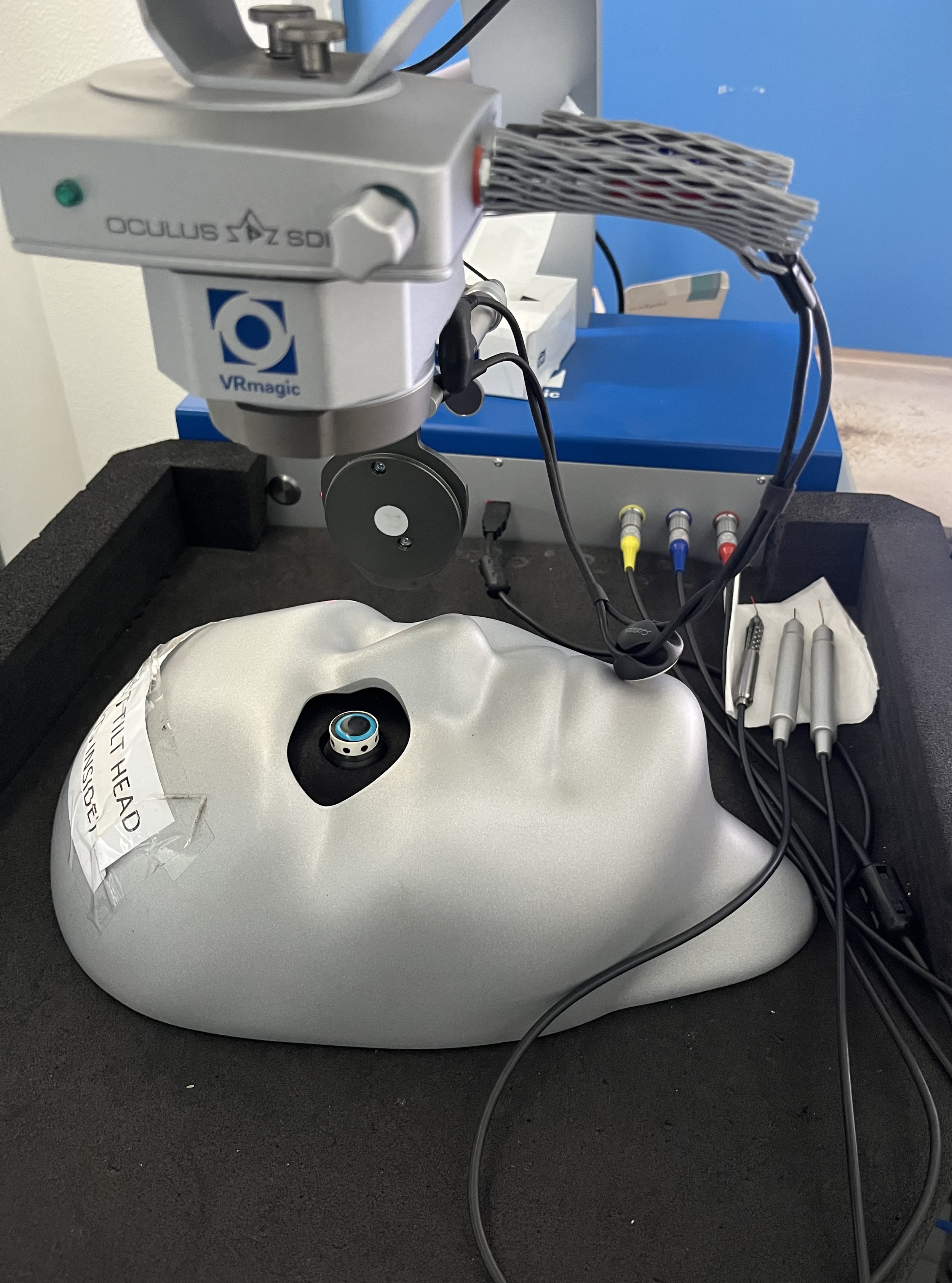
Figure 1: The Eyesi simulator, which requires ophthalmic instruments to be inserted into a physical model eye on a model human head.
My Experience
As a pre-trainee, accessing the EyeSi required more initiative than I had anticipated. Approximately 46% of EyeSi simulators in England are reserved for specialty trainees (2). I was fortunate to identify an ophthalmology consultant at a hospital with its own simulator, who supported me in setting up a profile. This was followed by a supervised induction session, covering machine setup and equipment care, after which I was signed off for independent use. The process took over one month. Alternatively, the Royal College of Ophthalmologists offers access to its simulator in London for a fee; however, this also requires prior training or arranging supervision independently (3).
The training begins with online theoretical modules covering the basics of cataract surgery, including preparation and instrumentation. This progresses to simulator-based tasks utilising hand-eye coordination and depth perception within the anterior chamber, followed by bimanual exercises. More advanced modules include forceps handling, phacoemulsification techniques, capsulorhexis formation, sculpting and cracking, and intraocular lens insertion.
The simulator provides objective feedback on parameters such as efficiency, tissue damage, and instrument handling, requiring users to pass each module three consecutive times before progressing. Notably, only the time during which instruments are actively engaged within the virtual eye is recorded. In my experience, it took multiple self-directed sessions over four months to accumulate four hours of validated training time.
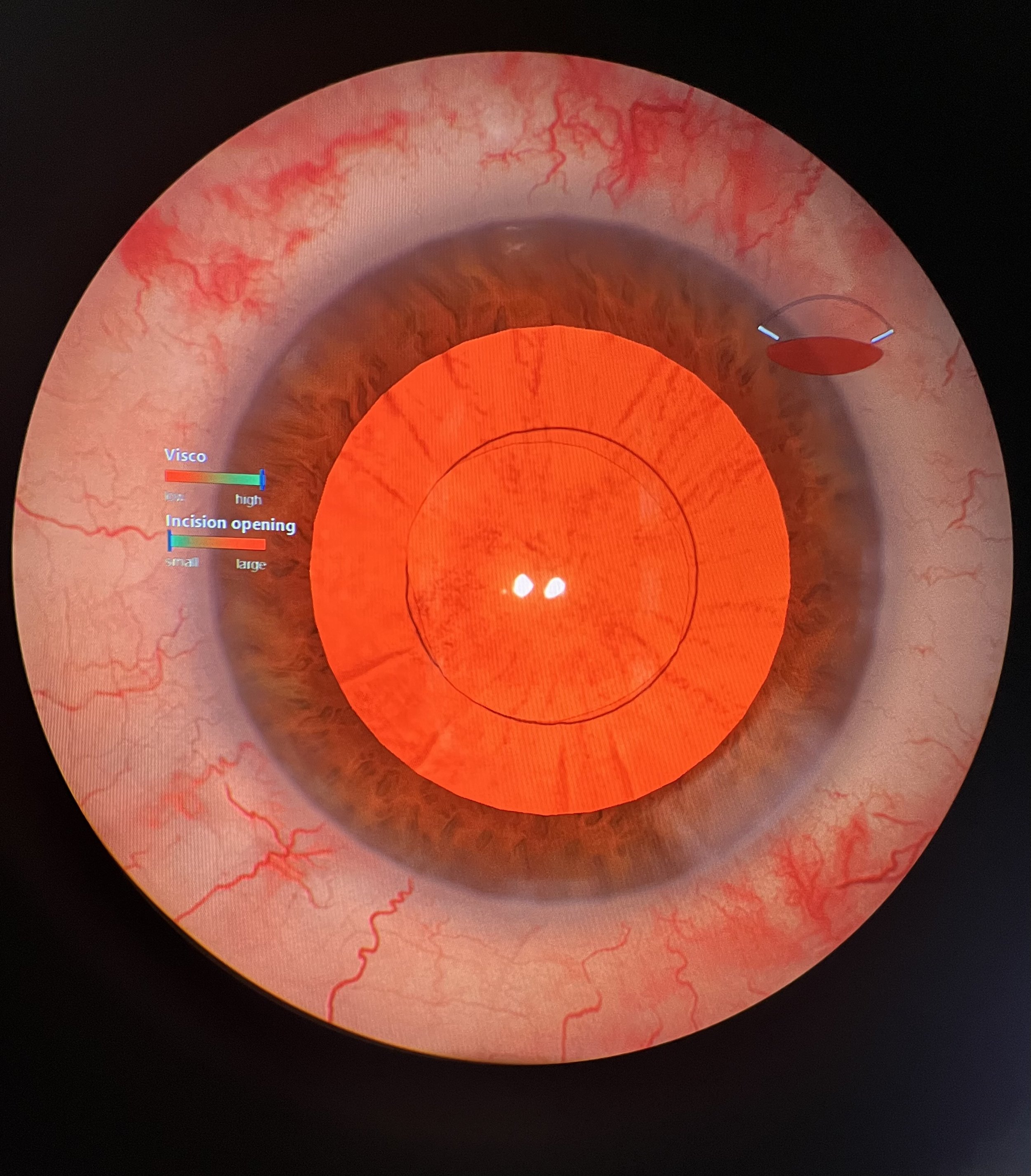
Figure 2: A capsulorhexis created using the Eyesi simulator.
What I Found Valuable
I found using the Eyesi to be beneficial in a number of ways. Firstly, the simulator is relatively user-friendly, allowing binocular microscopic visualisation of the anterior chamber which helped to build spatial awareness. Early tasks, such as guiding objects along set paths or compressing objects bimanually, effectively ‘gamify’ navigation and anti-tremor skills, with repetition reinforcing precision and consistency whilst becoming progressively more challenging.
The simulator importantly highlighted the technical difficulty of microsurgery. Tasks that appeared straightforward when observing in theatre proved far more challenging in practice. I became more aware of hand positioning, instrument handling and the need for fine wrist movements – something that was entirely new to me.
One of my biggest takeaways was how much I enjoyed the practical element. It has reinforced my interest in ophthalmology, and over time, I found it rewarding to see measurable improvements in performance and develop a better understanding of procedural flow.
Challenges and Limitations
Despite its benefits, I encountered several challenges. At times, the simulation felt time-consuming and frustrating. Without any supervision, procedural context was sometimes difficult to grasp. For example, I needed to seek guidance from trainees to better understand parameters such as phaco power and vacuum.
Although the simulator gave a sense of performing intraocular surgery, it was somewhat unrealistic and cannot fully replicate the pressures and variability of real surgery. Users are able to quit a task and start again if things begin to ‘go wrong’ which limits how closely the simulator reflects real-life operating conditions.
Unfortunately, I also found that the online theoretical elements did not always support my practical performance, meaning that many skills were developed through trial and error, rather than guided learning.
Wider Considerations
Beyond individual experience, there are wider concerns regarding the role of Eyesi in pre-training preparation. One critique is that its use may become a “time-based, tick-box exercise” (2), whereby users focus on accumulating the required hours rather than meaningful skill development. There is also a risk that unsupervised practice may cause users to develop suboptimal techniques or create a false sense of competence.
Additionally, access to a simulator remains an important limitation. Availability is not geographically equitable and is often restricted to certain training centres (2). Whilst alternative access via the Royal College exists, this may involve additional cost or logistical challenges, potentially disadvantaging some applicants.
Is It Worth It for Applications?
Eyesi experience can demonstrate initiative and a clear interest in ophthalmology, particularly through early engagement with microsurgical skills in a risk-free environment. As a beginner, repeatedly practising fundamental skills, such as instrument navigation and capsulorhexis, without the pressure of a real operating theatre can help build confidence before performing surgery on real patients. It also represents a relatively achievable portfolio point compared to more time-intensive achievements.
However, it is by no means essential for entering specialty training. Many successful applications will not have had access to simulation. Its limitations, particularly in terms of access, supervision, and realism, mean that in my view, it should be considered a useful adjunct for early skills development and confidence building, rather than a requirement for entering specialty training.
Advice for Pre-Trainees
If you are interested in using the Eyesi, it is worth exploring opportunities through taster weeks or by contacting local ophthalmology departments. Early planning is important, as gaining access may take time.
A useful tip is to not spend too long on the machine per session. I found that sessions lasting longer than 90 minutes led to tiredness and frustration, consequently increasing the number of errors made.
If access is limited, alternative approaches, such as surgical skills courses, theatre attendance, and clinical exposure remain highly valuable and demonstrate commitment to the specialty.
References:
(1) Haag-Streit. EyeSi Surgical Simulator. Available at: https://uk.haag-streit.com/products/categories/simulators-training/training-simulators/eyesi-surgical
(2) Eye News. Should points for simulated surgery be removed from the ophthalmology ST1 evidence folder? Available at: https://www.eyenews.uk.com/features/ophthalmology/post/should-points-for-simulated-surgery-be-removed-from-the-ophthalmology-st1-evidence-folder
(3) Royal College of Ophthalmologists. EyeSi ophthalmic surgical simulators. Available at: https://www.rcophth.ac.uk/training/simulation/eyesi-ophthalmic-surgical-simulators/